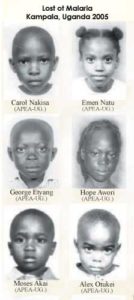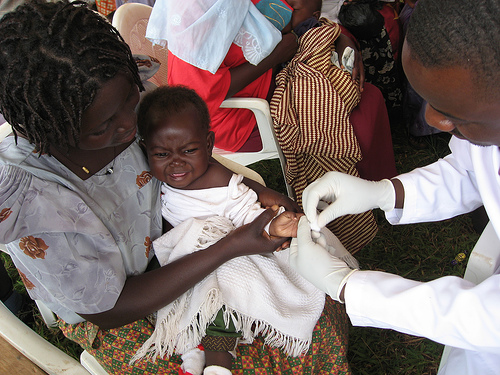
Cultural myths often stand in the way of human progress—in some cases producing devastating consequences. In fact, today millions of people around the world suffer the painful and often deadly effects of malaria because one person sounded a false alarm. That person is Rachel Carson, author of the 1962 best selling book Silent Spring. Many have praised Carson for raising concerns—some legitimate—about problems associated with the overuse of chemicals. Yet her extreme rhetoric generated a culture of fear, resulting in policies have deprived many people access to life-saving chemicals. In particular, many nations curbed the use of the pesticide DDT for malaria control because Carson created unfounded fears about the chemical. As the world commemorates the 100th birthday (May 27, 2007) of the late Rachel Carson, it is time to acknowledge the unintended, adverse effects of Carson’s legacy and find ways to correct them. Follow the links on this page to learn more.